Services

Asthma Care

Childhood asthma is highly manageable — kids with well-controlled asthma run, play sports, sleep through the night, and miss almost no school. Our job is to make sure your child’s plan actually fits your life: clear medications, a written action plan everyone understands, and steady follow-up so flare-ups stay rare.
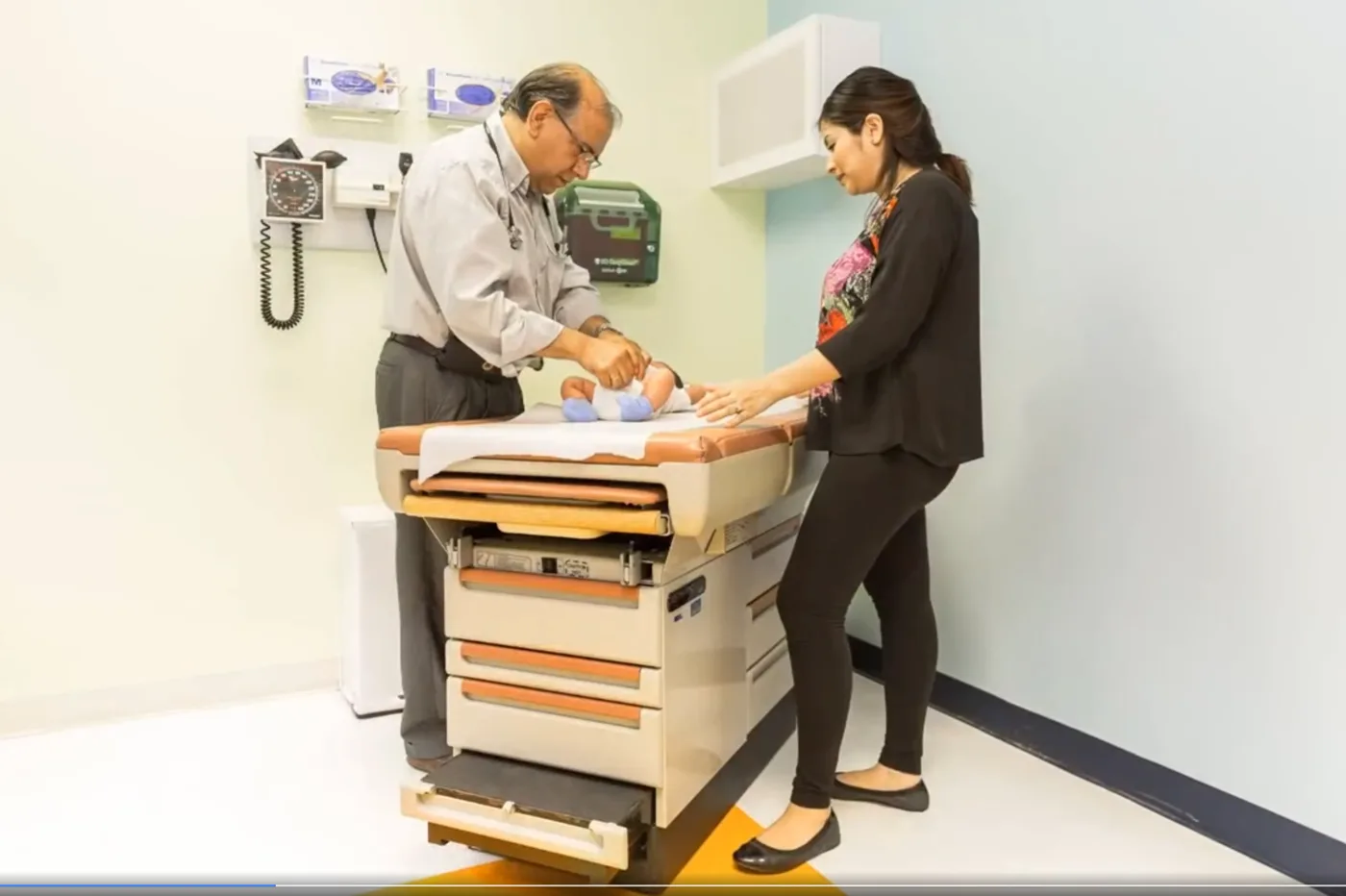
A pediatrician listening to a child's concerns during a visit

When to Call

Call us if you notice any of these

We help you decide whether to come in, go to urgent care, or call 911. When in doubt, call.
  • A persistent cough, especially at night or with exercise
  • Wheezing, chest tightness, or shortness of breath
  • Frequent “colds” that always go to the chest
  • You’re using a rescue inhaler more than twice a week
  • Your child has been to the ER or urgent care for breathing problems
  • Asthma symptoms have changed — better or worse — since the last visit
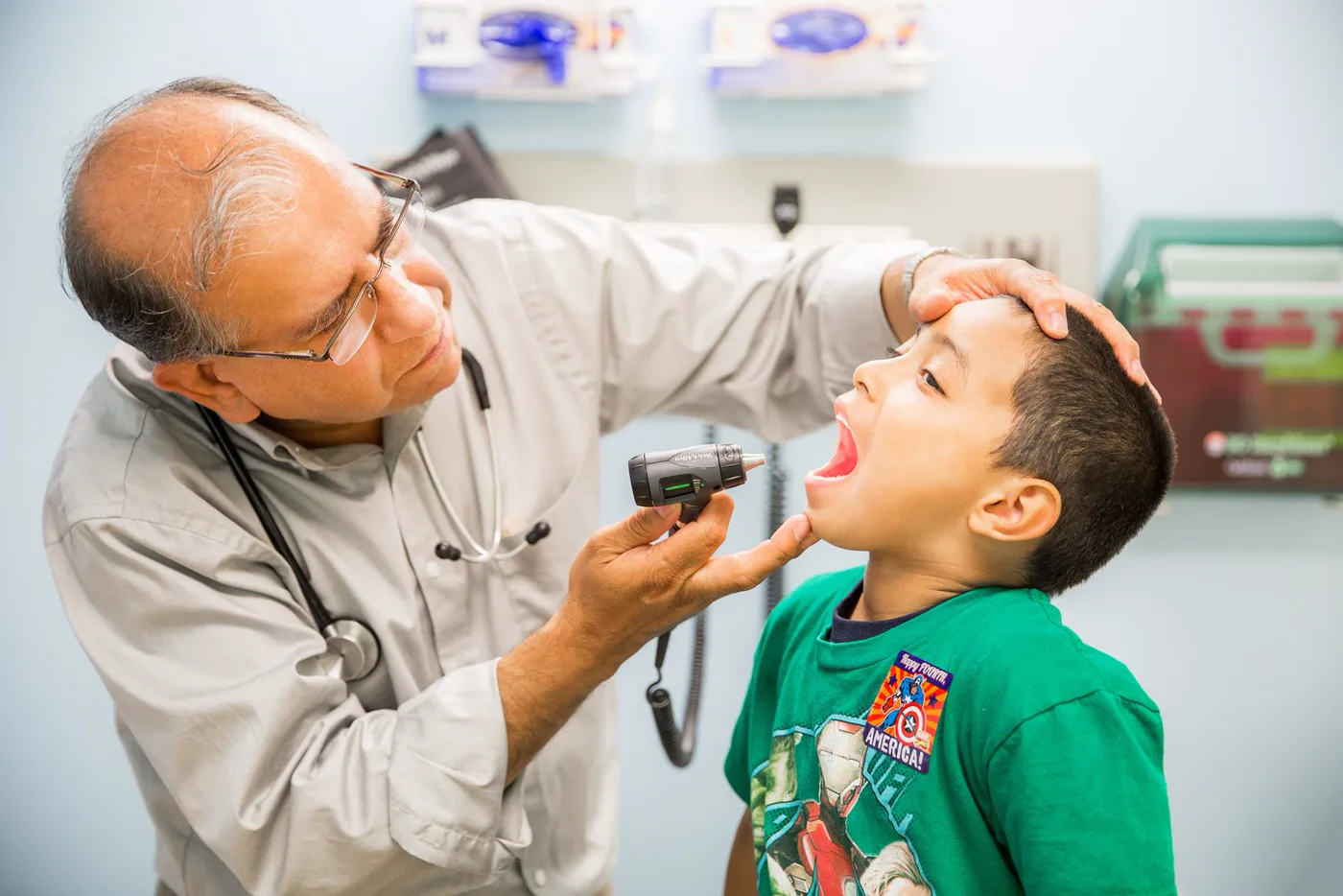
A pediatrician gently examining a young patient

What We Check

What we cover in the room

  • Pattern and triggers — exercise, cold air, allergens, illness, smoke, stress
  • How often symptoms happen at night, during the day, and with activity
  • Lung exam and (when age-appropriate) peak flow or spirometry readings
  • Current medications: rescue inhaler use, controller use, technique, and adherence
  • Inhaler technique — many kids don’t get the medicine they think they’re getting
  • Whether the action plan needs to step up, step down, or change

Care We Provide

Your visit includes

Diagnosis you can trust

We take the time to confirm asthma versus other causes of cough or wheeze — important for getting the plan right.

Written asthma action plan

Green / yellow / red zones, what to do at each stage, when to call, when to use the rescue inhaler — all on one page, in English or Spanish.

Daily controller management

If your child is using a controller, we make sure it’s the right medicine, the right dose, and that the family understands why daily matters.

Inhaler technique check, every visit

Spacers, rinsing, breath-holding — small details that make a big difference. We watch your child use the inhaler at every visit.

Refills + school paperwork

We send refills before you run out and complete school inhaler authorization forms so your child can carry one when appropriate.

Sick visits when it counts

Asthma flare-ups don’t wait. We hold same-day slots and can adjust the plan over the phone for families we know well.

Come Prepared

What to bring

A few small things ahead of the visit help us spend more time on your child — and less on paperwork.

  • Insurance card + photo IDFor the responsible adult on the visit.
  • All inhalers and spacersBring everything your child uses — controller, rescue, nebulizer, spacer. We’ll check technique together.
  • Symptom and rescue-use logHow often the rescue inhaler has been used, nighttime cough, missed school days, ER or urgent care visits.
  • School formsAsthma action plan and inhaler authorization forms from your school or daycare — we complete them in the room.

FAQs

Questions families ask

How do you know if it’s really asthma?

Diagnosis is mostly a clinical pattern: recurrent wheeze, cough, or shortness of breath that responds to a bronchodilator. For older kids, we may use spirometry. We rule out other causes (allergies, reflux, infection) and only commit to a diagnosis when the pattern fits.

Will my child outgrow asthma?

Many kids do — symptoms often improve in adolescence, especially if asthma is mild and well-controlled. Some carry it into adulthood. Either way, the goal is the same: keep symptoms minimal, lungs healthy, and life uninterrupted.

What’s the difference between a controller and a rescue inhaler?

A rescue inhaler (usually albuterol) is for fast relief during symptoms. A controller (usually an inhaled steroid) is taken every day to prevent symptoms — it doesn’t help during a flare-up. Many kids need both. Using a rescue more than twice a week usually means the controller plan needs adjustment.

Can my child play sports with asthma?

Yes — and they should. Well-controlled asthma is fully compatible with sports, including competitive ones. Some kids benefit from using their rescue inhaler 15 minutes before exercise. We’ll build that into the action plan if it helps.

What should I do during an asthma flare-up?

Follow the action plan — use the rescue inhaler, watch for improvement, and call us if symptoms aren’t better in an hour or are getting worse. Go straight to the ER (or call 911) for trouble speaking, blue lips, severe chest tightness, or no improvement after rescue treatment.

Do you handle asthma in the pediatric office, or should we see a pulmonologist?

Most pediatric asthma is well-managed in our office. We refer to a pediatric pulmonologist or allergist for severe asthma, frequent flare-ups despite a strong controller plan, or when allergy testing or biologic therapy is being considered.

Caring for Woodbridge families since 1999

Easy to find, with ample parking and a calm waiting area for families.

Address

AAA Pediatrics2200 Opitz Blvd, Suite 355Woodbridge, VA 22191
Get Directions

Office Hours

Monday – Friday
9:00 AM – 5:00 PM
Saturday
Closed
Sunday
Closed

A provider is on call 24 hours a day, every day of the year.

Ready When You Are

Book your child's next visit

Same-day sick visits, well checks, and newborn care — all in one family-first practice in Woodbridge, VA.