A thorough first conversation
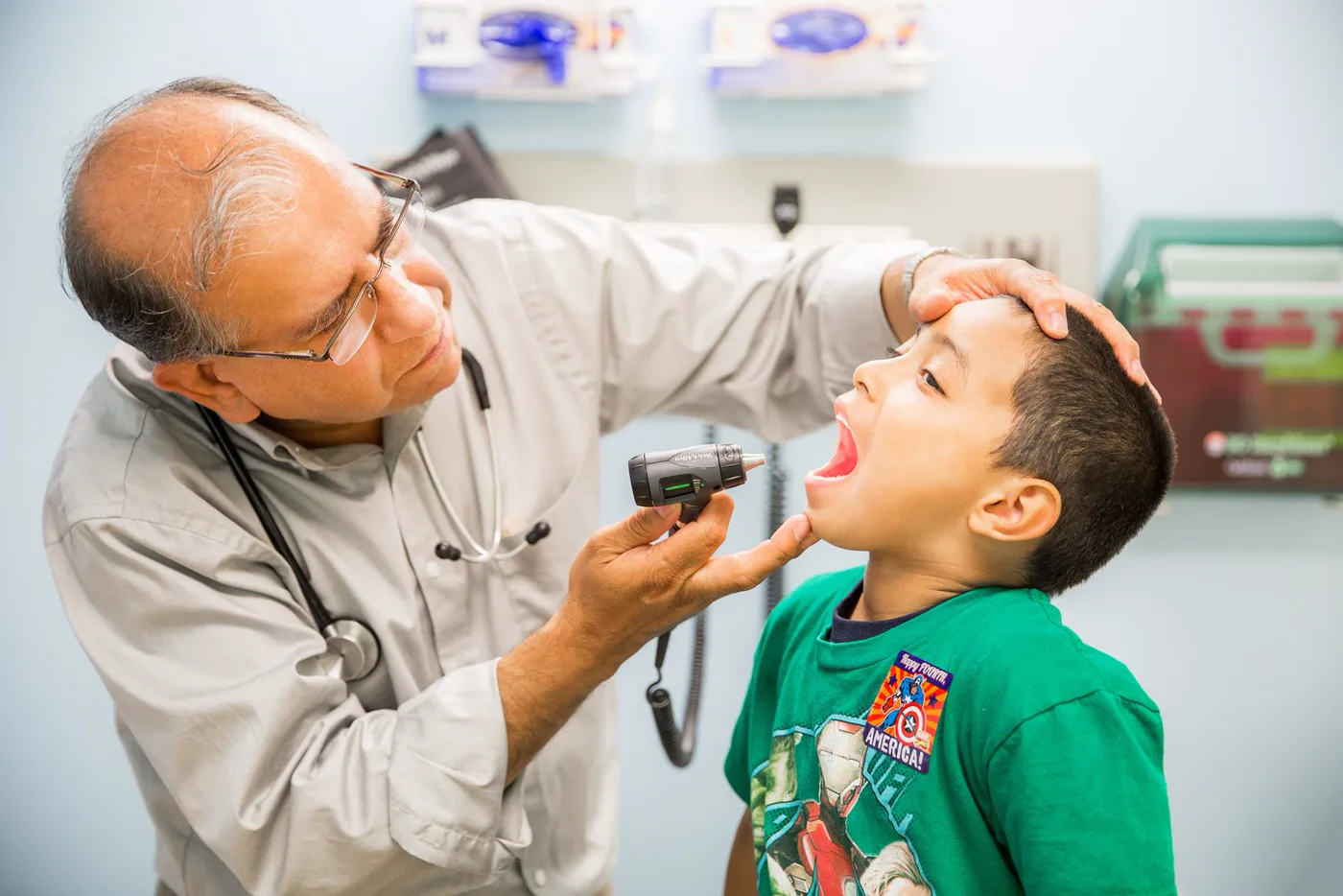
Allergy diagnosis is mostly a careful history. We take the time to understand the pattern before reaching for tests.
Allergies are one of the most common chronic conditions in childhood — and one of the most underdiagnosed. We help families figure out what’s actually triggering symptoms (it’s often not what you expect), build a treatment plan that works in real life, and refer to an allergist when more advanced testing or immunotherapy makes sense.
When to Call
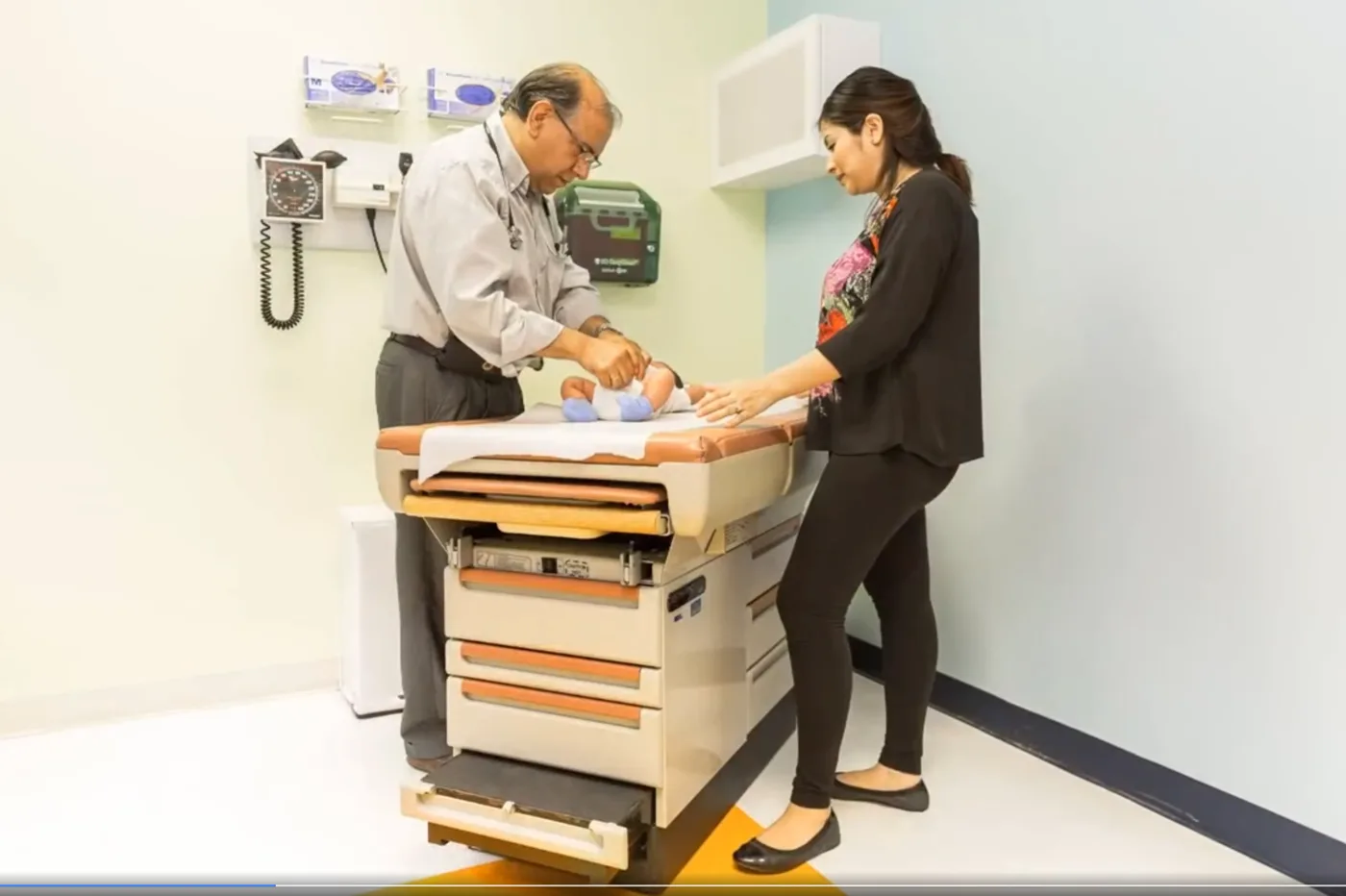
We help you decide whether to come in, go to urgent care, or call 911. When in doubt, call.
What We Check
Care We Provide
Allergy diagnosis is mostly a careful history. We take the time to understand the pattern before reaching for tests.
We can order basic allergy bloodwork in the office and refer to an allergist for skin testing or food challenges when warranted.
We start with the simplest things that work — environmental changes, antihistamines, nasal sprays — and build up only if needed.
We complete asthma action plans, allergy action plans, and EpiPen authorizations so school staff know exactly what to do.
When a specialist makes sense, we refer thoughtfully and stay involved — your pediatrician keeps the whole picture.
For families managing food allergies, we make sure you have an EpiPen, a written plan, and confidence using both.
Come Prepared
A few small things ahead of the visit help us spend more time on your child — and less on paperwork.
FAQs
Related care
Located in Woodbridge, proudly serving Prince William County and surrounding areas.
A provider is on call 24 hours a day, every day of the year.